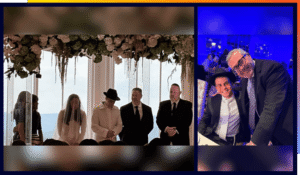
Jerusalem is alive again.
After three years of war, loss, hostages, uncertainty, and fighting on multiple fronts, this Sukkot feels different.
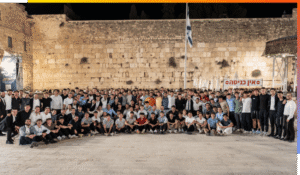
Millions of Jews are streaming toward Jerusalem, the Old City, the Kotel, and the place where our Temple once stood and where we pray it will one day stand again.
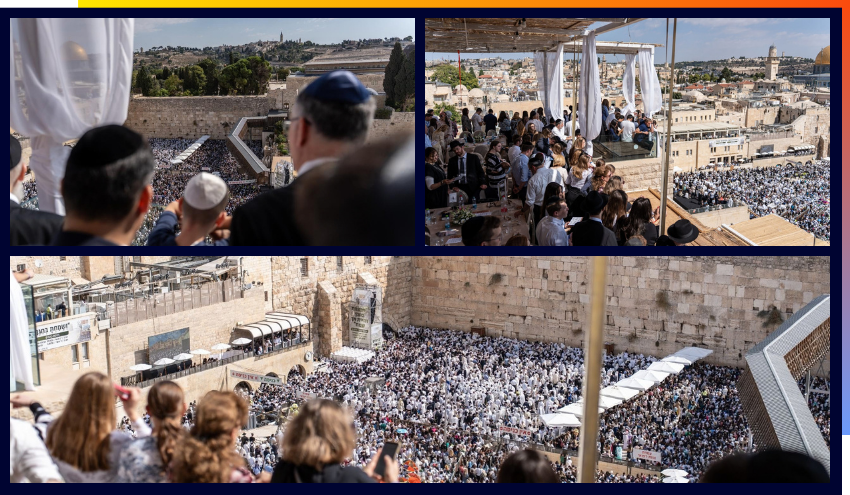
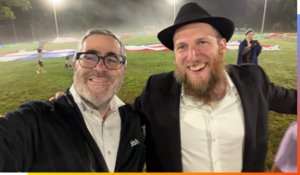
On the first night of Sukkot, I was walking out of the Old City with my colleague David Cutler. Throngs of people were pouring through the gates in the opposite direction.
David looked at me and asked, “What is going on?”
I said, “This is the Jewish people. They love God. They want to be close to Him. They are coming home.”
That is what this entire Sukkot has felt like.
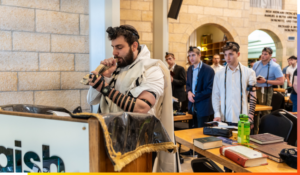
Perhaps no moment captured it more powerfully for me than Birkat Kohanim.
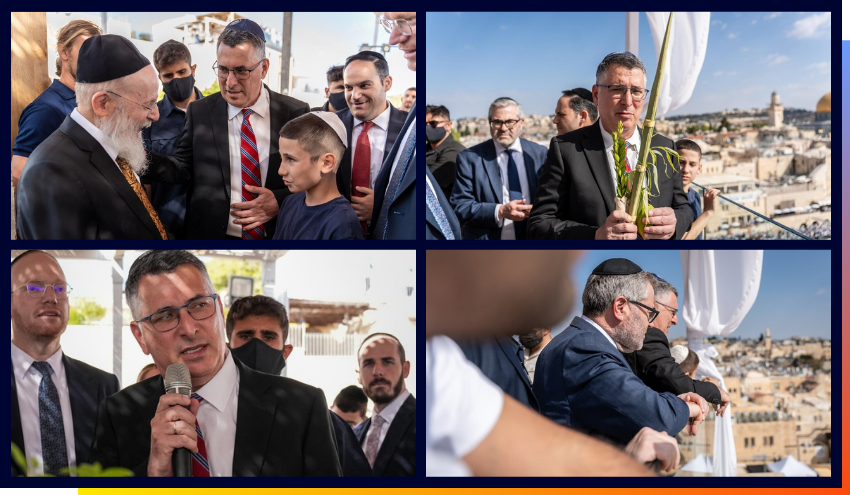
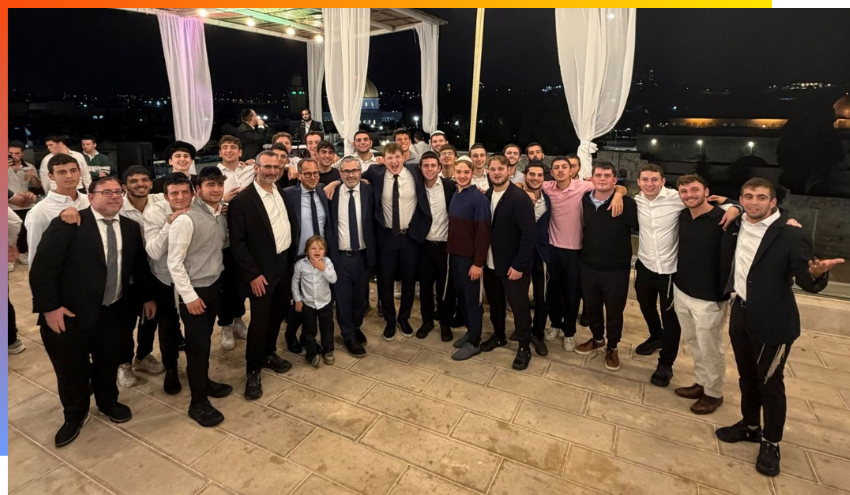
Among those joining us on the Aish rooftop overlooking the Kotel was Ben Chassin, our newest student.
Ben had spent 11 years imprisoned in Iraq. He was finally released just before Yom Kippur, came to Israel, and joined us at Aish to study Torah.
Think about that journey.
Eleven years in an Iraqi prison. Then freedom. Then Israel. Then Jerusalem. Then Torah. Then, just days later, standing above the Kotel at Birkat Kohanim.
Also joining us that morning was Ezra Cohen, Panama’s Ambassador to Israel, who has become a wonderful friend of Aish. His family has a beautiful connection to Aish, with both his son and grandson having studied with us.
I introduced Ezra to Ben and told him his remarkable story.
Ezra looked at me and said, “You know I’m a Kohen.”
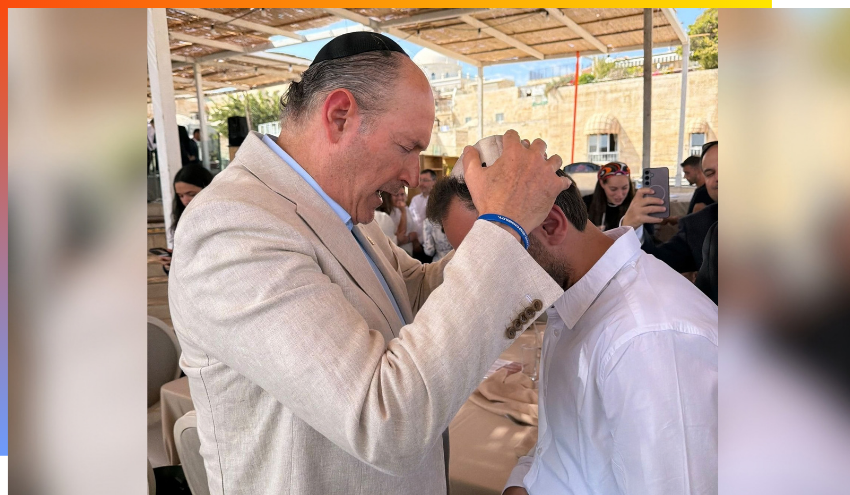
He immediately reached out, placed his hands on Ben’s head, and gave him a bracha.
I stood there watching the Ambassador of Panama bless a Jew who had just emerged from 11 years of imprisonment in Iraq, now standing in Jerusalem and studying Torah at Aish.
It was one of those moments when Jewish history seems to collapse into a few extraordinary seconds.
This is our story.
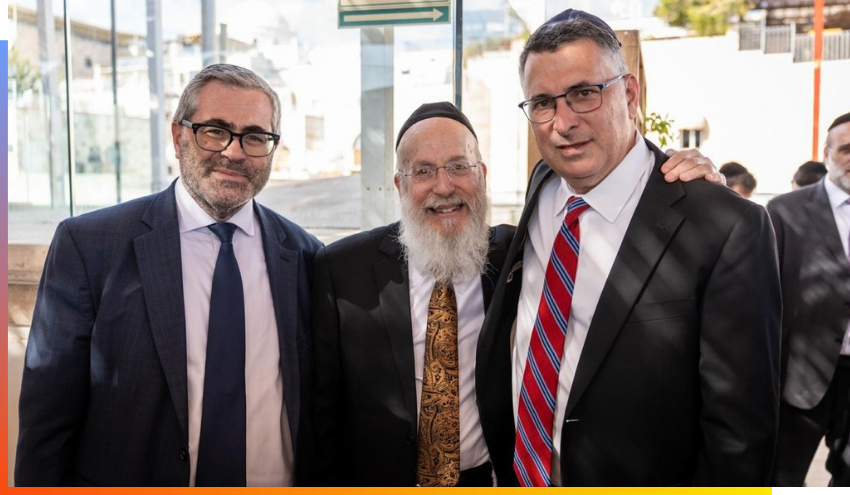
Our Rosh Yeshiva, Rabbi Yitzchak Berkovits, was also with us that morning, together with Israel’s Foreign Minister Gideon Sa’ar.
Anyone who has visited Rabbi Berkovits’s office knows that behind his desk sits a map showing Jewish populations around the world. That map represents our marching orders at Aish. We have a responsibility to reach Jews everywhere and bring them closer to Torah, the Jewish people, and God.
As I introduced Gideon, I looked at these two leaders and thought about their different responsibilities. Aish Rosh Yeshiva Rabbi Berkovits carries an enormous responsibility for Jews around the world spiritually. Gideon carries an enormous responsibility for Jews around the world physically.
Different roles. Different missions. One Jewish people.
Gideon has also been an incredible partner to Aish through our shared work at the World Zionist Organization, where we are beginning to build some exciting initiatives together.
The following evening brought another unforgettable moment.
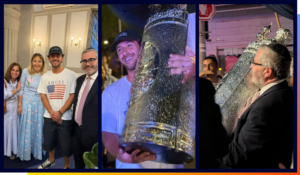
Every year during Sukkot, the Erber family dedicates a Sefer Torah in memory of someone murdered on October 7 or in the battles that followed.
This year, we celebrated a beautiful Sephardi Sefer Torah in memory of Yonatan Samerano.
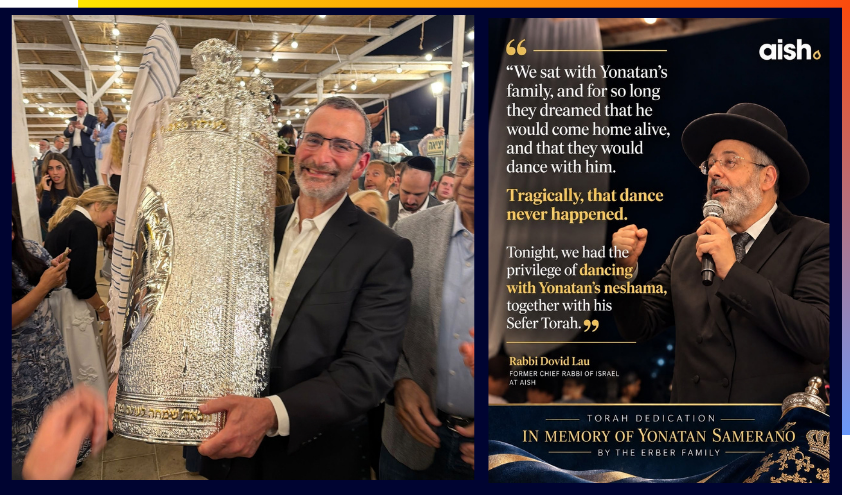
Former Chief Rabbi David Lau joined us and danced with the Torah alongside our students. Then he shared something that pierced my heart.
For a long time, Yonatan’s family did not know whether he was alive. They dreamed that he would come home and they would dance with him.
That dance never happened.
Rabbi Lau told us that while we could no longer dance with Yonatan physically, that night we were dancing with his neshama through his Sefer Torah.
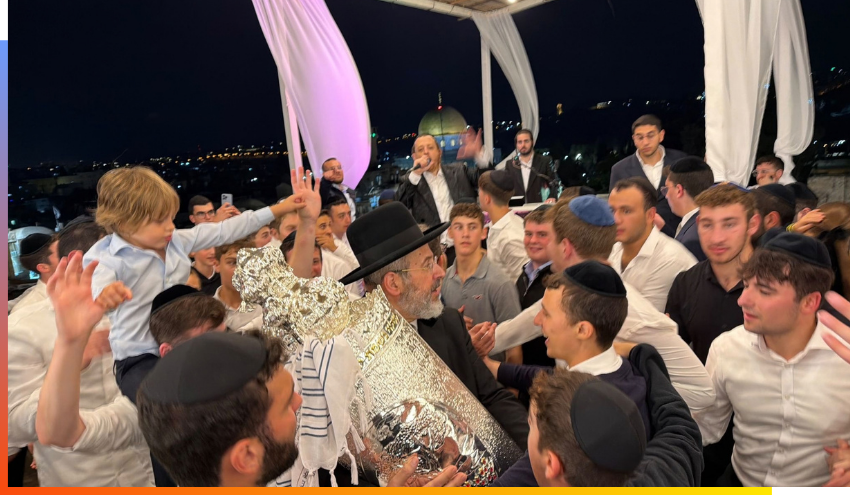
That is also our story.
One Jew emerges from 11 years of imprisonment and comes to Jerusalem to learn Torah.
Another Jew is brutally taken from us, yet his family ensures that his neshama will forever be bound to a Torah that Jews will read for generations.
Different stories. One people. One Torah.
Throughout history, our enemies have taken our homes, our possessions, and tragically, so many of our lives. They have never been able to take our Torah.
Open an Aron Kodesh anywhere in the world and take out a Torah. After thousands of years of exile, persecution, pogroms, the Holocaust, and October 7, it still tells the same story. Our story.
Perhaps that is why Sukkot feels so powerful this year.
Rabbi Jonathan Sacks taught that Sukkot asks us to leave the security of our homes and enter a fragile sukkah, yet we call it zman simchateinu, the season of our joy. Our joy does not come from believing that life is secure. Our joy comes from knowing that even when life is fragile, we are not alone. God is with us.
We saw another extraordinary reminder of that this week with the Flydubai flight traveling to Tel Aviv. A violent terrorist incident in the cockpit could have ended in unimaginable tragedy. Courageous passengers and secondary crew members sprang into action; the attacker was subdued, the plane was stabilized, and lives were saved. This was a true miracle.
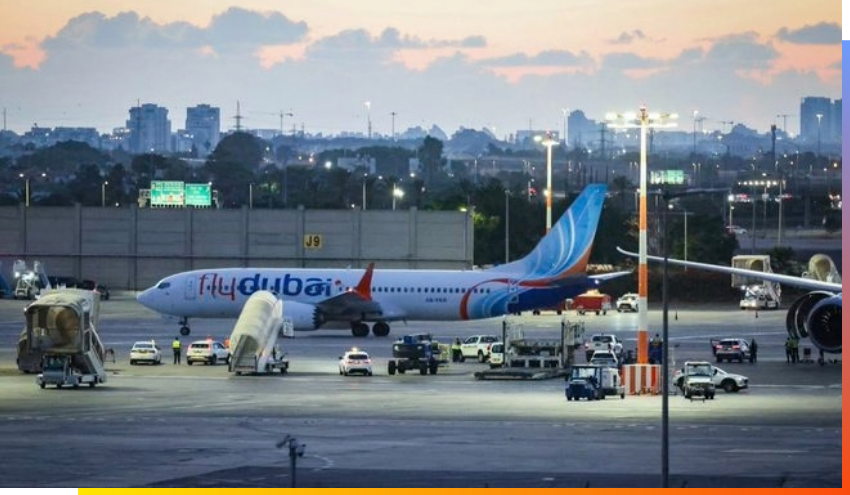
There are moments when you can almost see the hand of God. A plane filled with people, thousands of feet in the air, suddenly facing a terrifying threat in the cockpit, somehow had the right people in the right place with the courage and strength to prevent catastrophe.
God was there.
We have seen it again and again over these past three years. Human beings have shown extraordinary bravery. There have also been moments when the distance between catastrophe and salvation was so impossibly small that all we could do was look Heavenward and say, “Thank You, Hashem.”
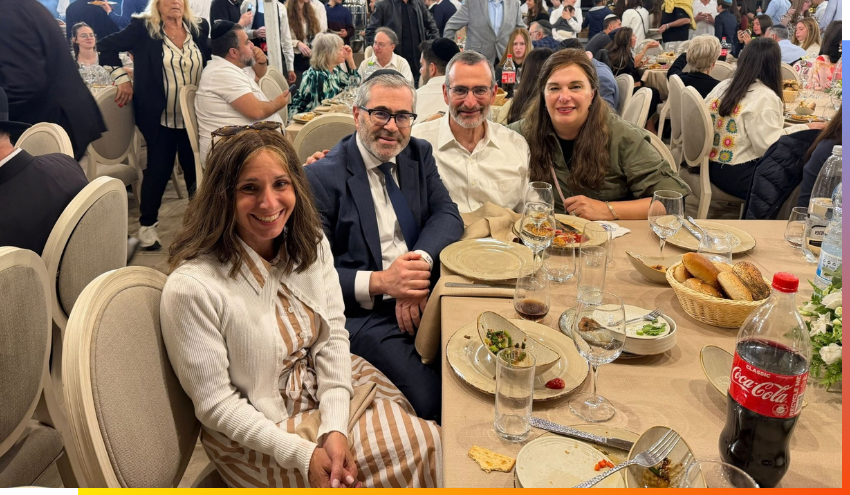
That is the message of the sukkah. Life is fragile. Faith means knowing we never travel alone.
This Sukkot, watching Jerusalem overflowing with Jews again, I keep returning to three words:
Wisdom. Love. Responsibility.
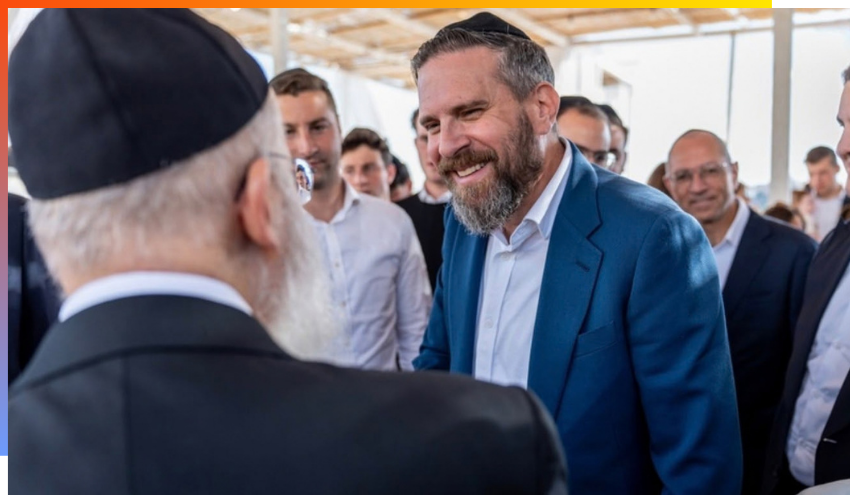
Torah wisdom connects us to God and to every Jewish generation that came before us. Love binds us to one another. Responsibility demands that we carry both forward to the next generation.
Maybe that is what I was really seeing all week. I saw it in the crowds pouring into the Old City. I saw it when a Kohen from Panama placed his hands on the head of a Jew who had just walked out of 11 years of captivity in Iraq.
I saw it as we danced with a Torah carrying the neshama and memory of Yonatan Samerano. I saw it in the courage of people thousands of feet above the earth who refused to allow terror to triumph.
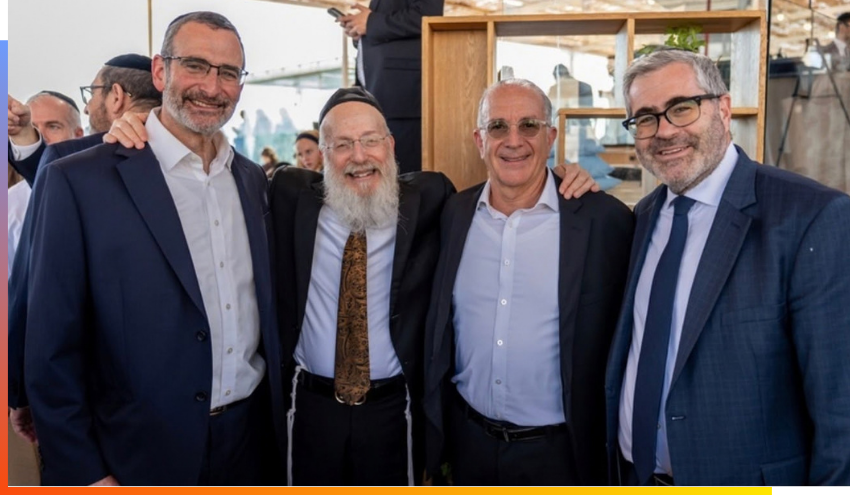
The Jewish story continues. We are still here. We are still learning.
We are still blessing one another. We are still dancing. We are still coming home.
One day, please God, we will stand together in a rebuilt Jerusalem, at a rebuilt Beit HaMikdash, and understand just how extraordinary the journey that brought us here was.
Until then, we keep learning. We keep loving. We keep taking responsibility. We keep coming home.
Wishing you and your families a beautiful and joyous Sukkot.